A weekly atlas of regeneration

An atlas of what's working.

The Green Atlas Project is a weekly record of the regenerative and sustainability projects happening across the UK, Europe, and the world.

More discoveries

View all stories →
Landscape recovery in England 🇬🇧 United Kingdom
Natural Capital

England's £500M Landscape Recovery Programme Takes Shape

The UK government has committed £500 million to 50+ large-scale projects restoring entire ecosystems across England — positioning nature as national infrastructure.

📍 England-wide

The UK government has made one of its most significant commitments to nature in years, announcing £500 million for large-scale Landscape Recovery Projects across England. Administered by Natural England, these long-term projects are designed to do something ambitious: restore entire ecosystems, not just isolated patches.

The Landscape Recovery Scheme supports farmers and land managers to undertake large-scale, long-term projects focused on significant habitat restoration and land-use change. Projects will help reverse biodiversity loss, tackle climate change, and unlock green economic growth — while securing sustainable livelihoods for the farmers and land managers taking part.

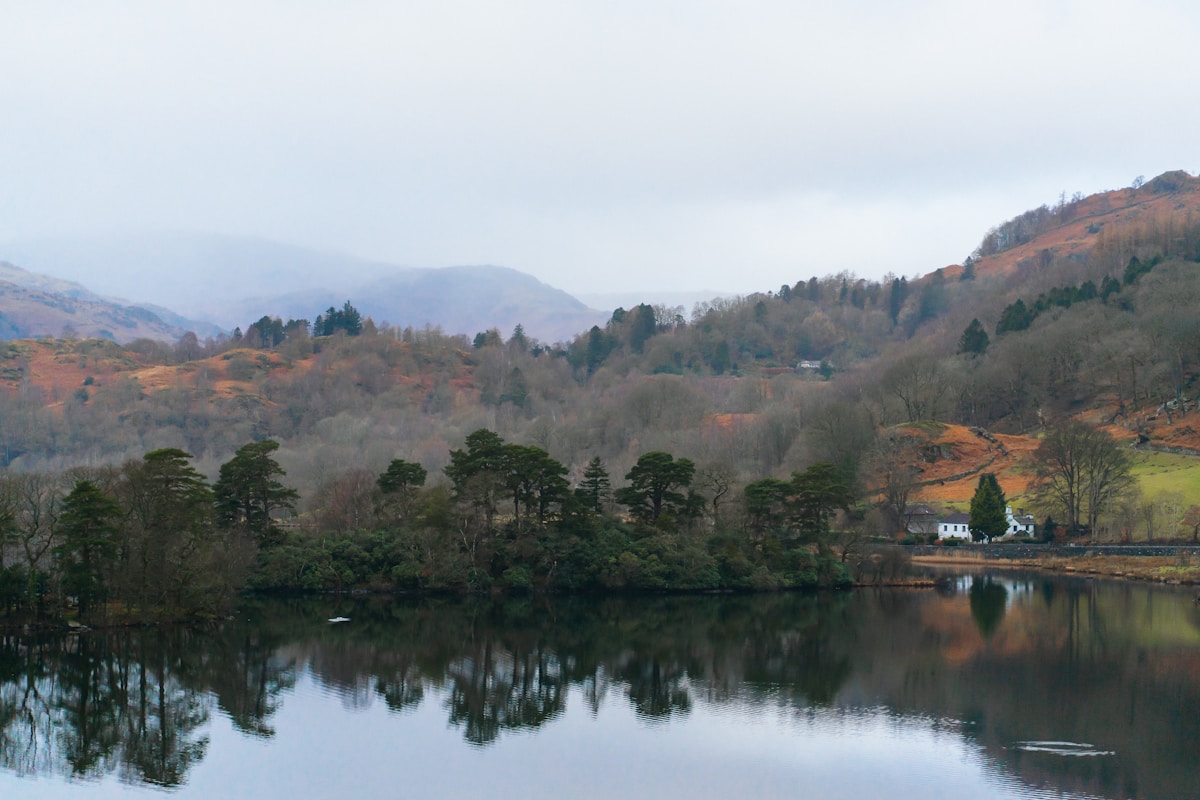
One of the first projects already in its delivery phase is the Upper Duddon Landscape Recovery in Cumbria — a signal of what's to come. The wider programme currently has more than 50 projects in development across England, each one a locally-led collaboration between landowners, farmers, conservation bodies, and communities.

What's significant here is the framing: this isn't charity for nature. Natural England is explicitly positioning these projects as national nature infrastructure — investments that protect communities from floods, support food security through healthier soils, and attract private capital alongside public funding.

For anyone tracking where the UK's nature recovery story is heading, this programme is the backbone. It's imperfect, early-stage, and still being tested — but the scale of ambition is real.

European rewilding 🌍 Pan-European
Rewilding

Europe Removed Dams in 2025. The Rivers Are Coming Back to Life

Rewilding Europe's work across ten landscapes is quietly reconnecting rivers, returning bison and vultures to the wild, and proving that nature recovery at continental scale is possible.

📍 10+ European landscapes

2025 has been a landmark year for nature in Europe — and most people haven't heard about it. Across ten landscapes from the Iberian Highlands to the Danube Delta, Rewilding Europe is quietly demonstrating what ecological recovery at continental scale actually looks like.

Hundreds of ageing dams and weirs have been removed from European rivers this year, part of a coordinated push to meet the EU's target of restoring 25,000 kilometres of free-flowing rivers by 2030. The results are immediate: fish species return within weeks, sediment begins rebuilding floodplains, and the rivers themselves start doing the ecological work that engineering once displaced.

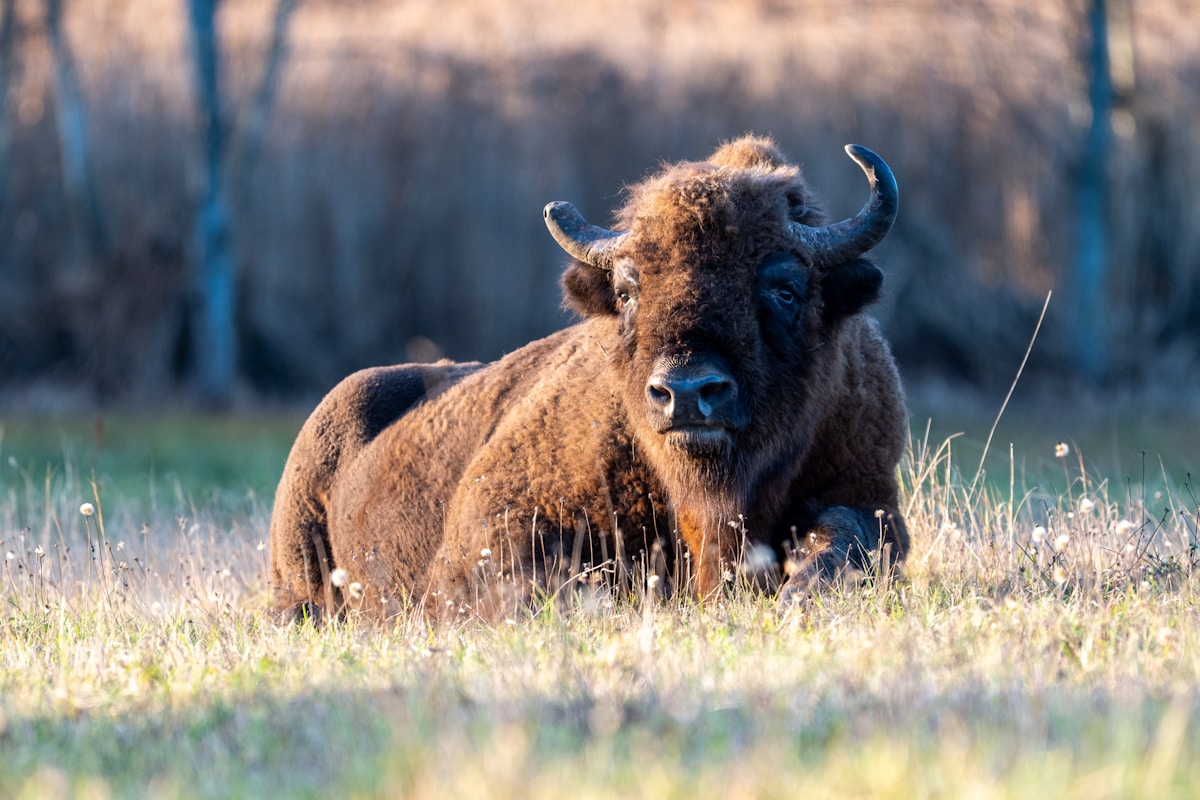
Alongside river restoration, keystone species are coming back. European bison now roam forests they haven't been seen in for centuries. Cinereous vultures, once almost extinct in parts of southern Europe, are breeding again thanks to coordinated reintroductions. Sorraia horses — genetically closest to Europe's original wild horses — are grazing open landscapes that depend on them.

What makes Rewilding Europe different is its scale of ambition and its partnership model. It doesn't just protect isolated reserves. It works with landowners, local communities, and governments to create nature-based economies where rewilding creates jobs — in ecotourism, in restoration work, in monitoring.

The lesson from 2025 is clear: when you give nature space and remove the barriers, it comes back faster than anyone expected.

Seagrass meadow underwater 🇬🇧 Scotland
Blue Carbon

Scotland's Seagrass Meadows Are the UK's Hidden Carbon Superstore

From the Firth of Forth to the Outer Hebrides, a new generation of seagrass restoration projects is bringing back one of the most powerful carbon-capturing ecosystems on earth.

📍 Scottish coastal waters

Beneath the surface of Scotland's coastal waters, a quiet restoration is underway. Seagrass meadows — often called the lungs of the sea — are being planted and protected on a scale the UK has never attempted before.

Seagrass is one of the most remarkable ecosystems on earth. Per hectare, it captures carbon up to 35 times faster than tropical rainforest, supports hundreds of marine species, and stabilises coastlines against erosion and storm surge. Yet the UK has lost over 90% of its historic seagrass meadows in the last century — to pollution, anchor damage, and disease.

New restoration projects are beginning to reverse that. Teams across Scotland are planting seagrass by hand, monitoring natural recovery in protected bays, and working with ports and harbours to reduce the boat damage that has held recovery back. Early sites are showing real regrowth, and the science is clear: restored seagrass locks in carbon for centuries.

What's particularly encouraging is the growing alignment between conservation, fisheries, and coastal communities. Healthy seagrass meadows are nursery grounds for commercially important species — cod, pollock, scallops — meaning restoration isn't a trade-off with the fishing industry. It's an investment in its future.

The UK government is now exploring how seagrass can be formally integrated into the country's carbon accounting through the emerging UK Blue Carbon Code. If that happens, Scotland's quiet underwater recovery could become a template for blue carbon markets across the North Atlantic.

Community renewable energy 🇩🇰 Denmark
Renewable Energy

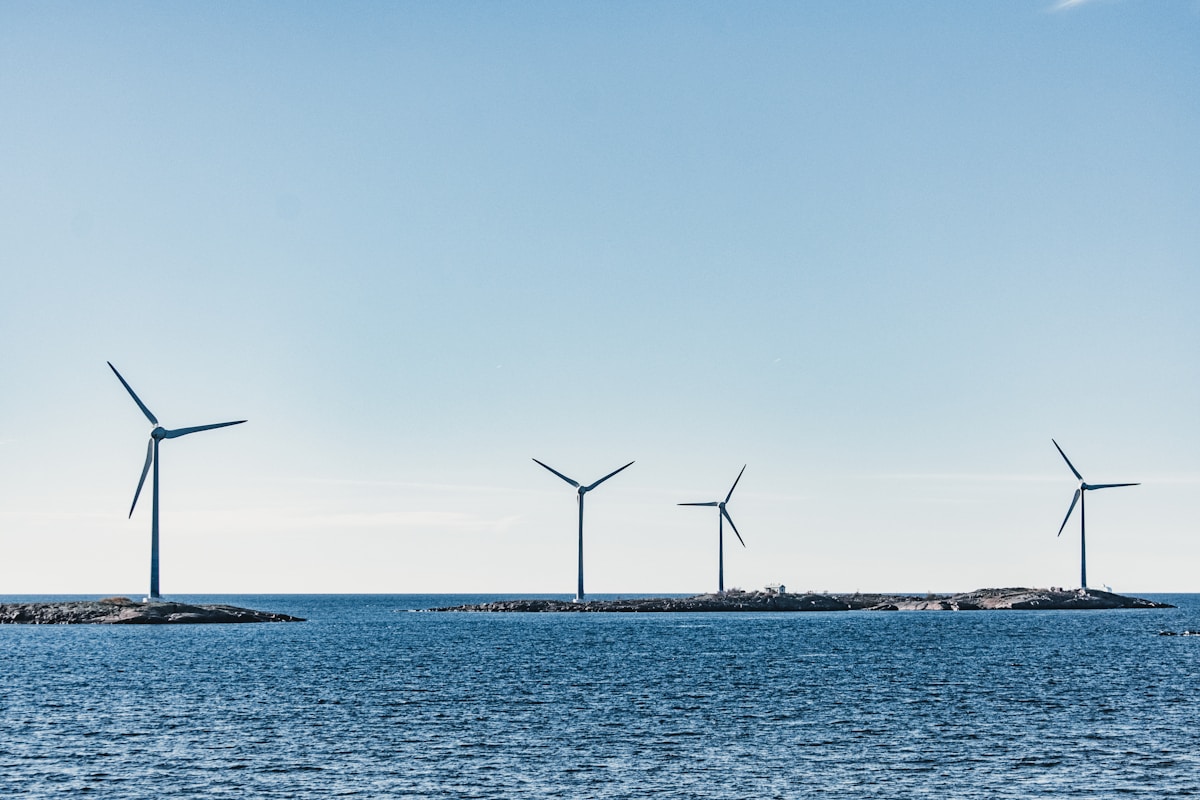
Denmark's Energy Islands: How a Nation Is Owning Its Clean Power

Denmark's pioneering energy island projects are redefining what community-owned renewable energy can look like at industrial scale — powering millions of homes across northern Europe.

📍 North Sea · Denmark

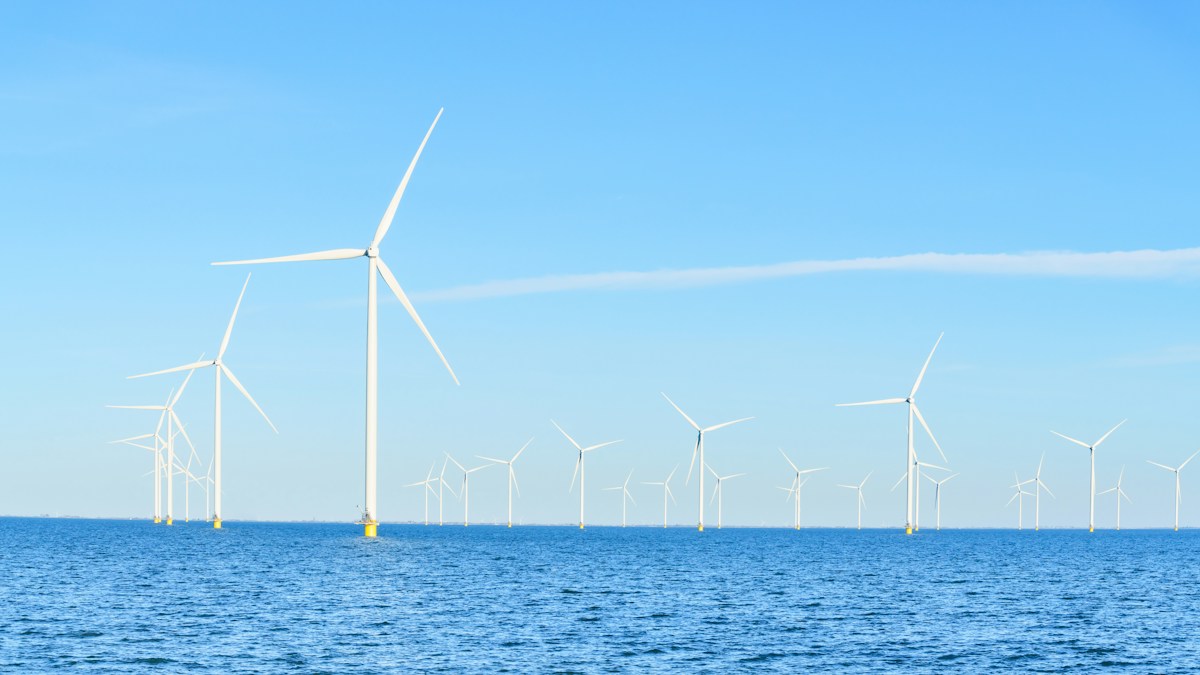
In the windswept waters of the North Sea, Denmark is building something the energy world has never seen before: artificial islands that will function as vast renewable power hubs, gathering electricity from surrounding offshore wind farms and distributing it across northern Europe.

The flagship energy island project aims to deliver up to 10 gigawatts of offshore wind capacity — enough to power roughly 10 million European homes. But the real innovation isn't just the scale. It's the ownership model. A significant share of the project is publicly owned, ensuring that the benefits of the transition flow back to Danish citizens rather than only to private shareholders.

This matters because one of the biggest political obstacles to the energy transition has been the sense that ordinary people pay the costs of new infrastructure while distant investors reap the rewards. Denmark is flipping that equation.

Alongside the energy islands, the country continues to lead on community-owned wind cooperatives — a model that began in the 1980s and still quietly powers a huge share of Danish homes. Research consistently shows that community-owned renewable energy is accepted faster, built more smoothly, and produces better long-term outcomes for local economies.

Denmark isn't the loudest voice in the climate conversation. But it may be the most instructive. The lesson is simple: who owns the transition matters as much as how fast it happens.

Wild beaver in a Cornish river 🇬🇧 Cornwall, UK
Species Reintroduction

Cornwall Welcomes Its First Fully Wild Beavers in Centuries

After 400 years of absence, fully licensed wild beavers have been released into Cornwall's waterways — a quiet milestone in Britain's slow but accelerating return of its ecosystem engineers.

📍 Helman Tor, Cornwall

In February 2026, in a quiet corner of Cornwall, something extraordinary happened. The first fully licensed wild beavers in the county were released at Cornwall Wildlife Trust's Helman Tor reserve, marking the return of a species that has been absent from these waters for centuries.

Beavers are what ecologists call ecosystem engineers. By building dams, creating wetlands, and slowing the flow of water, they transform landscapes in ways that benefit a remarkable range of other species — from amphibians and insects to fish and birds. The wetlands they create also help reduce downstream flooding and improve water quality, two pressing concerns for Cornish communities.

This release adds genetic diversity to the existing beaver population at Helman Tor and is part of a much wider Cornwall Wildlife Trust initiative called Tor to Shore — a Local Nature Recovery Network spanning land and sea, made possible with support from the National Lottery Heritage Fund. It's one of the first projects of its kind in the UK, weaving together rewilding, sustainable farming, and marine conservation in a single connected landscape.

The licensing of fully wild beavers is significant in itself. For years, beavers in England have been confined to fenced enclosures while the regulatory framework caught up with the science. The shift toward genuinely free-living populations marks a quiet but important change in how Britain manages its returning species.

Cornwall's beavers won't make headlines the way other conservation stories do. But over the coming years, they'll do something more valuable: they'll change the land itself. Slowly, river by river, they'll engineer a wilder Cornwall.

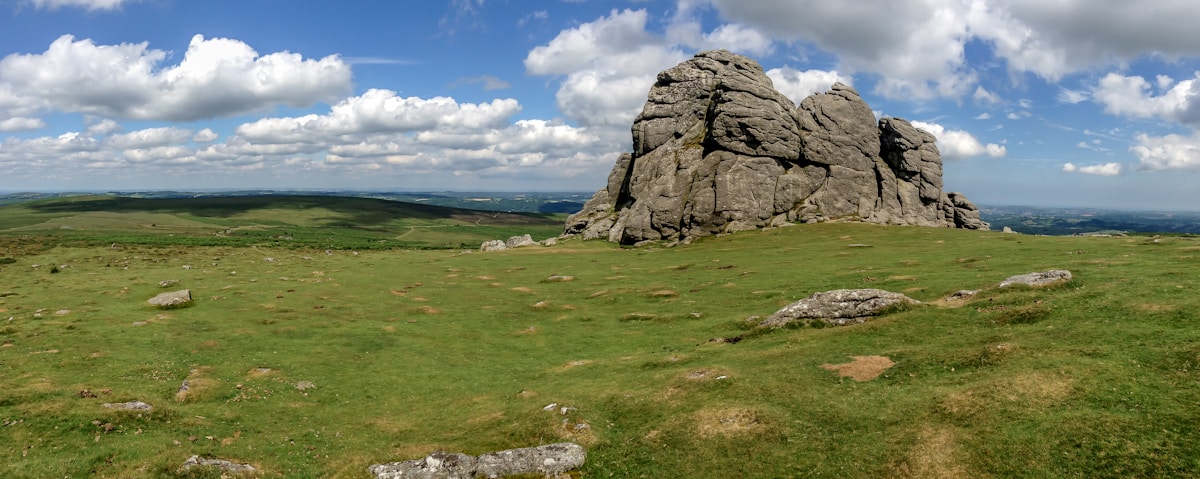
Welsh upland landscape 🏴󠁧󠁢󠁷󠁬󠁳󠁿 Wales, UK
Rewilding

Wales Begins Its Largest-Ever Rewilding Project

A £2.2 million land acquisition has launched the most ambitious rewilding scheme Wales has ever attempted — a model designed to be replicated across one of Europe's most nature-depleted nations.

📍 Wales

The UK is one of the most nature-depleted countries on earth. Within the UK, Wales has carried more than its share of that loss — its uplands stripped, its wetlands drained, its woodlands fragmented over generations. Now a single project is beginning to push the other way at a scale Wales has never seen.

In early 2026, a conservation charity secured a £2.2 million tract of land to launch the largest rewilding project in Welsh history. The vision is straightforward but ambitious: let natural processes do the heavy lifting. Restore native woodlands. Rebuild bogs and wetlands. Remove invasive species. Welcome back the wildlife corridors that fragmentation has broken.

What sets the project apart is its explicit ambition to be a model — not a one-off. The team is working from the start with local residents, farmers, and volunteers to make sure the rewilding aligns with community needs, and to build a template that other Welsh regions can adapt. Plans include educational workshops, citizen science programmes, and the kind of patient, long-term restoration that doesn't make headlines but does change landscapes.

The benefits go well beyond biodiversity. Restoring natural processes at this scale locks carbon back into soils and trees, reduces flood risk for downstream communities, and creates the conditions for rural economies built around nature rather than against it.

Wales has a long way to go. But this project is a serious down-payment on a different future for one of the UK's most important — and most neglected — landscapes.

Finnish boreal landscape 🇫🇮 Finland
Indigenous-Led Restoration

A Sámi-Led Peatland Project Now Stretches Across 62,000 Hectares

In Finland's Arctic forests and bogs, the Snowchange Cooperative is leading one of the most successful — and least reported — peatland restoration efforts in Europe, rooted in Indigenous Sámi knowledge.

📍 Inari, Finland

Far north of where most environmental headlines reach, in the boreal forests and peatlands of Finnish Lapland, an Indigenous-led restoration story is quietly rewriting what's possible at scale. The Snowchange Cooperative — a Finland-based organisation founded on traditional Sámi knowledge — has grown its peatland restoration work from 8,800 hectares across eight sites in 2018 to a remarkable 62,000 hectares across 188 sites by 2024.

Peatlands are one of the planet's most powerful carbon stores. When they're drained — for forestry, for agriculture, for peat extraction — they release millennia of locked-in carbon back into the atmosphere. Restoring them by rewetting, blocking ditches, and letting peat-forming vegetation return reverses that process and supports an extraordinary range of wildlife.

What makes Snowchange different is that this isn't conservation imposed from the outside. Sámi communities are documenting and safeguarding habitats that have long supported traditional practices like reindeer herding, fishing, berry picking, and the gathering of materials for handicrafts. The restoration work is both ecological and cultural — a refusal to let either be lost.

The project is now part of a broader Climate Breakthrough Award initiative seeking to coordinate peatland conservation across Finland, Canada's Arctic, and the United States. The model is being noticed: when Indigenous communities lead restoration, the outcomes consistently outperform top-down conservation.

In an era when the climate conversation often feels dominated by technology and policy, Snowchange is a reminder that some of the most powerful restoration is rooted in something much older — knowledge of place, passed down across generations.

Devon regenerative farming 🇬🇧 Devon, UK
Regenerative Farming

Devon's Farmers Are Restoring Nature — One Hedgerow at a Time

97 farms across Devon have begun restoring wildflower meadows, ancient orchards, and hedgerows while still producing food — guided by rare bats, dormice, and centuries of ecological knowledge.

📍 East Devon, England

In the patchwork farmland of Devon, something quietly remarkable is taking shape. A partnership led by the Bat Conservation Trust — alongside Devon Wildlife Trust, the South Devon and East Devon National Landscapes, and Devon Communities Together — is showing that farming and nature recovery don't just coexist: they can actively strengthen each other.

Devon's farmland is a vital home for rare nocturnal species such as greater horseshoe bats, hedgehogs, and dormice. But decades of agricultural intensification have pushed these species to the brink. Working hand in hand with local farmers, the project supports regenerative farming practices that restore biodiversity, improve soil health, and build resilience to a changing climate.

Backed by the National Lottery Heritage Fund, the initiative has already worked with 97 farmers to improve over 580 hectares. The work spans planting native trees, creating species-rich grasslands, and restoring traditional orchards. A second round of funding will now expand the programme further, including the designation of a local "Focus Farm" to act as a living showcase for how food production, nature recovery, and community engagement can happen on the same land.

What makes this project stand out is its people-first approach. More than 240 local people have already taken part through training, open days, and hands-on conservation activities. As the project grows, it aims to deepen those connections between farmers, communities, and the landscapes they share.

This is regenerative farming as it should be: practical, collaborative, and rooted in place. Devon is demonstrating that the future of British farming doesn't have to be a trade-off between productivity and nature. It can be both.

Our mission

Every week, somewhere, someone is making the world a little greener.

We don't report on everything that's going wrong. The Green Atlas Project exists to document the extraordinary regenerative work already happening — the farms, rivers, forests, and communities quietly pulling the future back from the brink. Optimism, grounded in evidence.