 🇬🇧 England
UK Commits £90 Million to Threatened Species Recovery, the Largest Ever Government Investment
Defra has announced £90 million to fund 130 species recovery projects across England, benefiting more than 350 threatened species from beetles to seahorses over the next three years.
On 4 April 2026, the Department for Environment, Food and Rural Affairs announced the largest ever government investment in threatened species recovery in England. £60 million will flow into the Species Recovery Programme over the next three years, with a further £30 million supporting species recovery on the national forest estate. The full package underwrites 130 projects that between them target more than 350 threatened species, from beetles and moths to seahorses, red squirrels and the white-clawed crayfish.
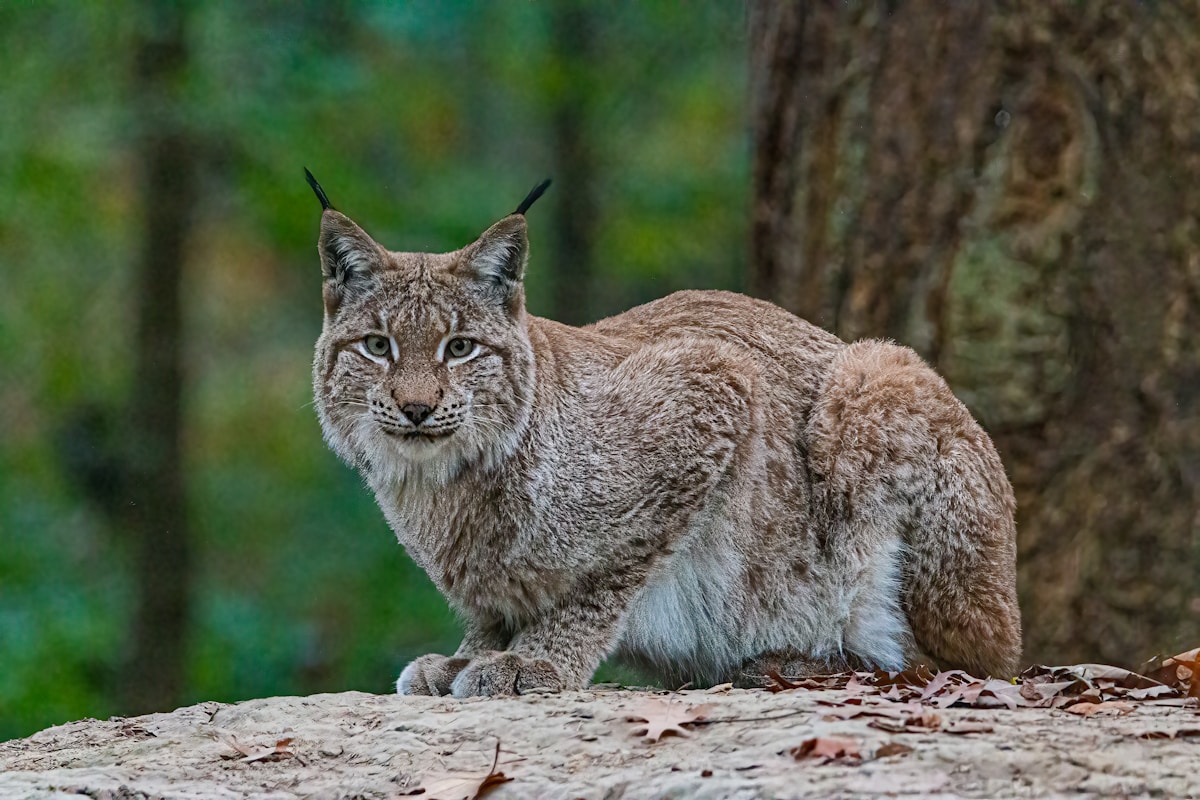
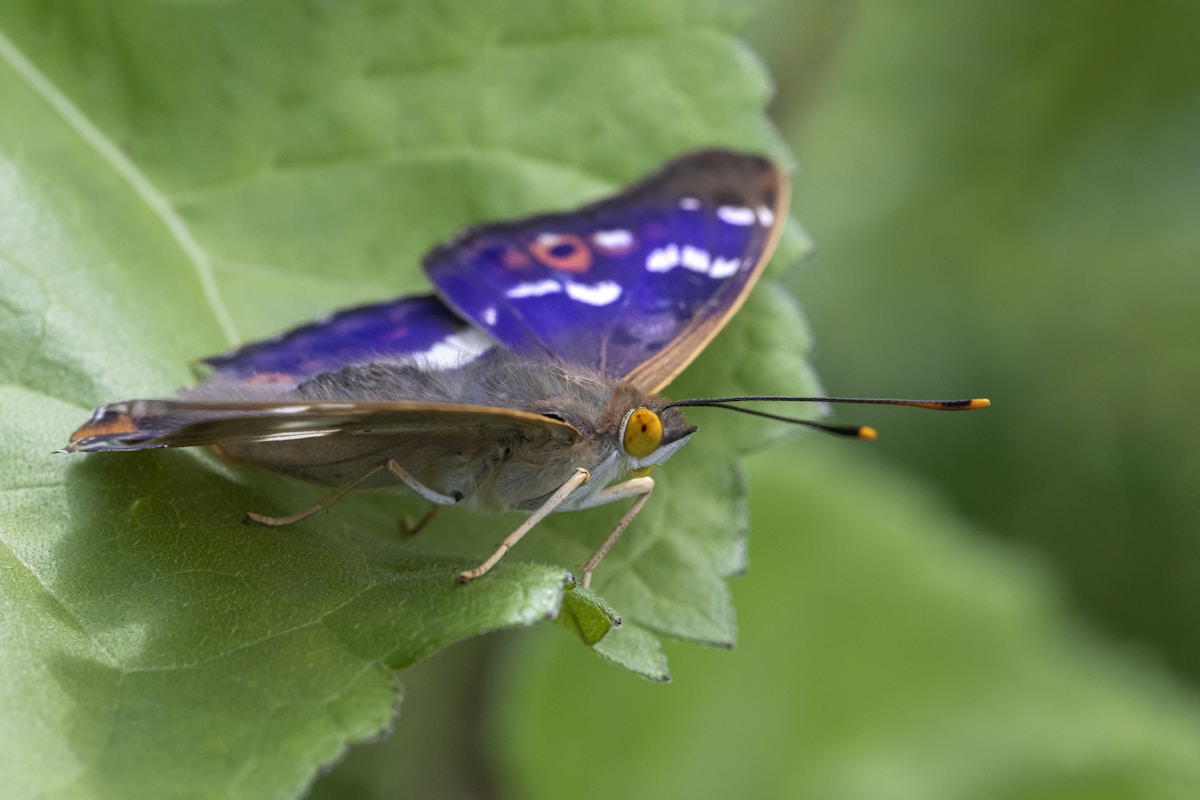
The scale of the commitment is a significant departure from a decade of squeezed nature budgets. Successful projects run by Natural England, the National Trust, the Wildlife Trusts, Butterfly Conservation, Buglife and dozens of local partnerships will be confirmed publicly by Natural England in May 2026. The list already includes work on the swallowtail butterfly, hazel dormouse, water vole, natterjack toad, pine marten and pool frog, alongside less charismatic but equally important invertebrates and freshwater species.
Species Recovery Programme grants have been running since 1991 and have supported work on more than 1,000 species during that time. What is different about the 2026-2029 round is the scale and the way it interlocks with other recent commitments. It sits alongside the £30 million Wildlife-Rich Habitat Fund for protected landscapes, the extended Nature for Climate Peatland Grant, Landscape Recovery agreements, and the WWT-Aviva saltmarsh fund. Together, these describe a UK conservation budget that is beginning to move at ecosystem scale.
Nature Minister Mary Creagh framed the announcement as evidence-led rather than symbolic. "For the first time in a generation, we are matching the scale of the crisis with the scale of the response," she said. "This funding will help halt and reverse the decline of some of our most threatened species." Independent conservation NGOs largely welcomed the package, while pressing for the same level of ambition on farmland biodiversity, water quality and marine protection, where budgets remain comparatively thin.
The challenge, as ever, will be delivery. £90 million spreads across 130 projects works out to modest budgets per site, and the real work will be done by ecologists, volunteers and land managers over years. But for species that have been quietly disappearing from the British countryside for decades, this is the most substantial national commitment they have ever received. The next test is whether it stays funded through the 2030s.